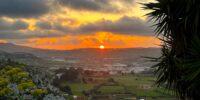

Located right on Malta’s western edge, Ħad-Dingli is a small rural village that feels both timeless and spectacular to all visiting. Known above all for the jaw-dropping Dingli Cliffs, which are also Malta’s highest point, the area combines natural beauty with layers of history stretching back to the Bronze Age, Phoenicians, Romans, and the medieval settlement of Ħal Tartarni. This place was once considered remote and cut off from the island’s centre, however, today Dingli is admired for its fresh air, authentic village life, and dramatic coastal views.
A Stroll Through History
The story of Dingli begins with Ħal Tartarni, a neighbouring hamlet that served as the area’s original settlement. It even had its own parish dedicated to St Dominica by the 15th century. However, the population that resided there later shifted towards what is now Dingli — largely on lands belonging to the then powerful Inguanez family.

However, Dingli’s history stretches way back. In fact, archaeology reveals that Dingli was inhabited long before. Phoenician and Carthaginian tombs, which were later reused by the Romans, have been unearthed, alongside remains of Roman baths at Ta’ Baldu and Għajn Handful. These finds show that Dingli’s land has been lived on and farmed for over 2,800 years.
In medieval times as well as when the famous Knights of St John roamed this island, Dingli’s high cliffs acted as a natural shield. In fact, corsairs found it impossible to land, something which gave villagers time to flee inland when pirates approached. The parish church, dedicated to the Assumption of the Virgin, became the community’s pride. It was later declared an independent parish in 1678.
Unique Feature: Dingli Cliffs
The Dingli Cliffs rise up to 250–300 metres, making them the highest point in Malta. They are composed of Upper Coralline Limestone and they have been shaped over millions of years by wind and waves. Stretching for about 2 km along the coast, they offer gorgeous views of the Mediterranean sea, Malta’s countryside, and the tiny islet of Filfla just off the shore from this location.

The most famous viewpoint is near St Mary Magdalene Chapel. This chapel is so old that it was already mentioned in records by 1446. Known as the “Chapel of the Cliffs”, it provides one of the island’s most iconic panoramas, especially at sunset. For those keen on history, the area also hides a Bronze Age village at Wardija ta’ San Ġorġ, with rock-cut silos which were once used to store grain and water.
The Village Core: Beating Heart of Dingli
Though better known for its cliffs, Dingli’s village centre is worth exploring. At its heart stands the Parish Church of the Assumption, a symbol of the island’s faith and the village’s community. The narrow streets reveal traditional limestone houses, niches dedicated to saints, and local shops where life unfolds at a slower pace than Malta’s busier towns. It’s a chance to experience authentic village rhythm — families tending gardens, neighbours chatting while sitting on stools right next to their doorsteps, and festas that light up the year.
Swimming Spots Worth Diving Into
Unlike other coastal villages, Dingli doesn’t offer swimming directly below its cliffs – they’re far too high and rugged. But the area makes up for it with panoramic seaside walks and nearby coastal gems. For swimming, the closest options are Għar Lapsi or even the Blue Grotto, both a short drive away and perfect for combining with a visit to the cliffs.

Let’s Explore Some Things You Can Do in Dingli
- Take in the sunset views from St Mary Magdalene Chapel.
- Hike the Triq Panoramika trail, a 3 km stretch along the clifftop with benches and viewpoints.
- Explore the Bronze Age village at Wardija ta’ San Ġorġ.
- Visit Ta’ Baldu, where Roman baths are carved into caves.
Stop for a meal at The Cliffs restaurant or Bobbyland, both serving Maltese dishes with unbeatable views. - Enjoy a hike from Buskett Gardens to Dingli Cliffs, mixing forest walks with open sea views.
- Wander Dingli’s village streets and admire the Parish Church of the Assumption.
- Discover the quieter Ras id-Dawwara viewpoint, for vast and crowd-free panoramas.

Answering Your Questions About Dingli
Is Dingli worth visiting?
Yes. Dingli is a village that hosts one of Malta’s most famous natural sights, the Dingli Cliffs, while the village itself offers a glimpse of authentic Maltese life.
Is Dingli expensive?
Not at all. Dining and exploring here are affordable, and the cliffs themselves are free to enjoy.
Is Dingli safe?
Yes. The village is peaceful and friendly, with hiking and cliffside walks well-signposted – though always take care near cliff edges.
Why stay in Dingli?
Stay here if you want quiet evenings, countryside walks, and some of Malta’s best sunsets. It’s close to Mdina and Rabat, yet feels a world away from the bustle.
From Bronze Age remains to clifftop sunsets, Dingli is where Malta’s raw natural beauty and deep-rooted history meet. An outstanding village of fields, faith, and unforgettable views over the endless sea. Will this village make it on your upcoming trip’s itinerary?